
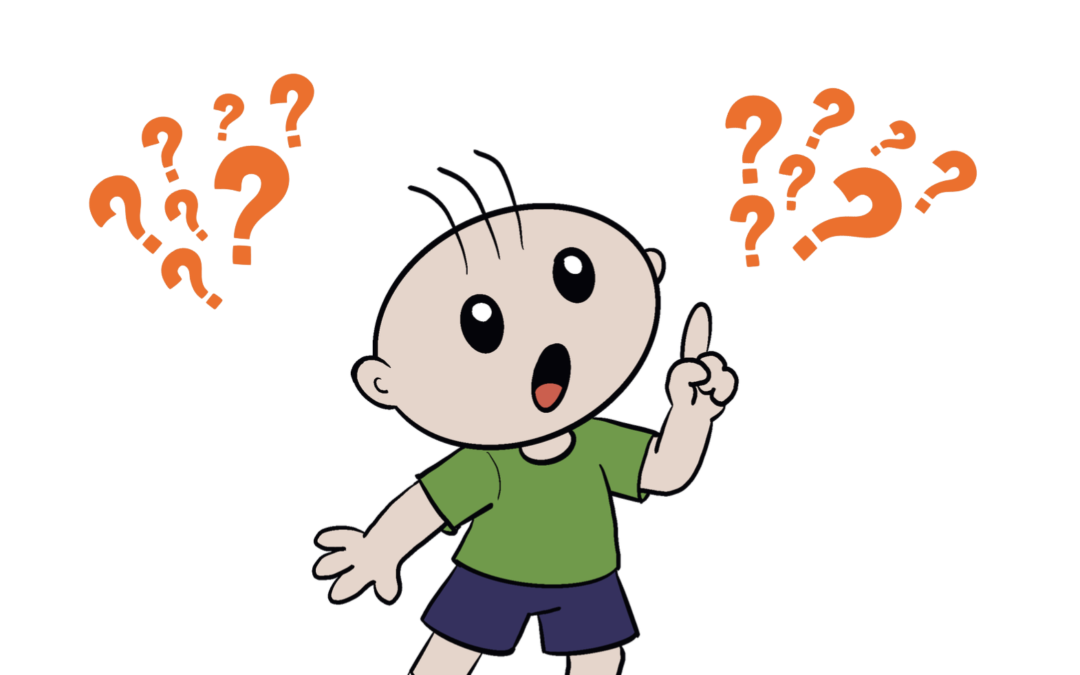
Why is the sky blue?
Why do dogs sniff each other’s butts?
Why does the moon follow the car?
Why can’t penguins fly?
And, perhaps most importantly:
Why?
If you spend much time around kids, you already know that one question can somehow produce twelve more.
You answer why the sky is blue, and suddenly you’re explaining sunlight. Then space. Then stars. Then whether aliens have eyeballs.
Congratulations. You were trying to unload the dishwasher, and now you’re discussing extraterrestrial anatomy.
But all those questions aren’t just kids trying to drive grown-ups crazy.
They’re doing something pretty amazing.
Questions Are How Kids Explore the World
Children arrive here knowing approximately nothing.
They have to figure out everything from why rain falls out of the sky to why they’re expected to wear pants to the grocery store.
Questions help them connect the things they see with the things they already know.
Sometimes those questions are enormous.
Where did the universe come from?
Sometimes they’re surprisingly practical.
Why do onions make us cry?
And sometimes they are the questions adults have collectively agreed not to discuss at the dinner table.
Why does Dad’s fart smell worse than mine?
But to a curious kid, those questions aren’t really different.
They’re all mysteries.
Weird Questions Can Lead to Real Learning
One of the easiest ways to get kids interested in learning is to start with something they already want to know.
A kid who isn’t particularly excited about a lesson on the digestive system might be extremely interested in discovering why people fart.
A child who doesn’t care about a history lesson might happily learn about life aboard an old sailing ship because they desperately need to know where pirates went to the bathroom.
That’s the wonderful thing about curiosity.
A ridiculous question can lead somewhere surprisingly educational.
Farts lead to digestion and bacteria.
Pirate toilets lead to ships, sanitation, and history.
A question about the moon following your car can lead to distance, perspective, and space.
Learning doesn’t always have to begin with the lesson.
Sometimes it can begin with:
“Hey, Mom. You know what I was wondering?”
It’s Okay If You Don’t Know the Answer
Adults sometimes feel like we’re supposed to know everything.
Then a seven-year-old asks why cats purr and suddenly we’re questioning our entire education.
You don’t have to know.
In fact, “I don’t know. Let’s find out.” might be one of the best answers we can give a curious kid.
Now the question becomes something you can investigate together.
Look it up.
Find a book.
Try an experiment.
Ask somebody who knows more about it.
One question can turn into an afternoon of learning without anybody ever announcing that it’s time to learn something.
Sneaky.
Let Kids Guess Before You Give Them the Answer
This might be the best part.
Before looking up the real answer, ask:
“What do YOU think?”
Kids are spectacularly good at coming up with possibilities adults would never consider.
Maybe it helps us run faster.
Maybe we’re trying to scare away predators.
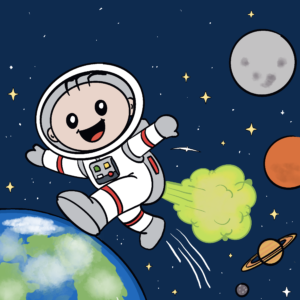
Maybe people could use farts to propel themselves through space.
Those answers may be completely ridiculous.
But guessing gives kids a chance to think about what they already know, make connections, test ideas, and use their imaginations.
Then you get to find out what actually happens.
Sometimes the guess is surprisingly close.
Sometimes it is gloriously, spectacularly wrong.
Both are fun.
Don’t Be Afraid of the Gross Questions
Kids are curious about their bodies.
That means eventually you’re going to hear questions about poop, boogers, farts, pee, belly buttons and all sorts of things adults don’t usually discuss over coffee.
Those questions aren’t less valuable because they’re gross.
The human body is fascinating.
And frankly, if talking about a fart is what gets a kid interested in biology, the fart has performed a valuable public service.
Gross can be a gateway to science.
We’ll take it.
Questions Can Make Kids Better Readers, Too
Curiosity gives kids a reason to read.
Instead of:
“You need to read for twenty minutes.”
A question creates:
“I need to know the answer to this.”
Now books aren’t just something assigned at school.
They’re where answers might be hiding.
That could mean a book about dinosaurs, a weird-facts encyclopedia, a graphic novel about space, a biography, a cookbook, a picture book, or a library book about bugs that you deeply regret allowing into your house because it contains extremely detailed photographs.
It all counts.
The more kids discover that books can answer questions they actually care about, the more useful—and enjoyable—reading becomes.
Curiosity Doesn’t Have to Be Serious
Some questions deserve careful, serious answers.
Others deserve a little silliness first.
There’s room for both.
We can teach kids that learning matters without making every learning experience feel like school.
Laugh at the ridiculous guess.
Wonder about something weird.
Look up the real answer.
Ask another question.
That’s how curiosity grows.
And sometimes the next question is even better than the first one.
That’s Why Gus Has Questions
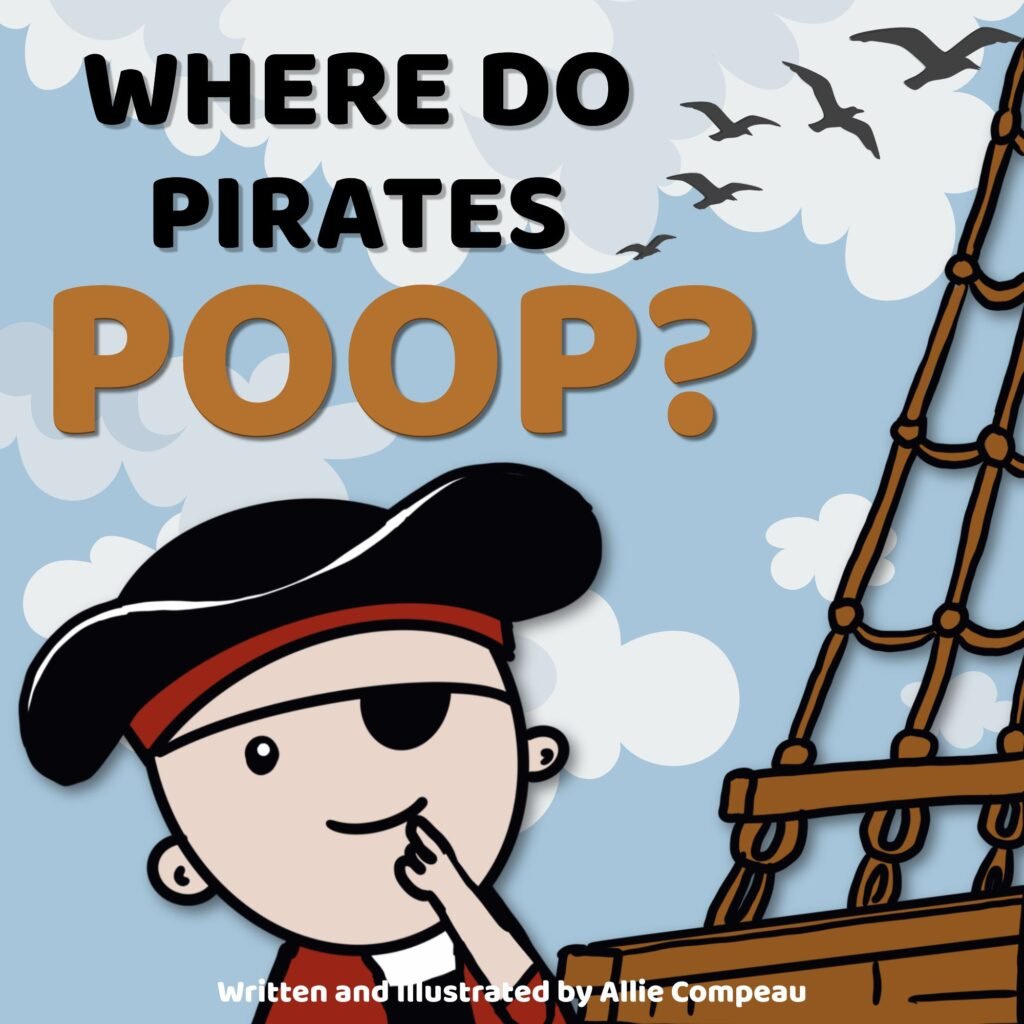
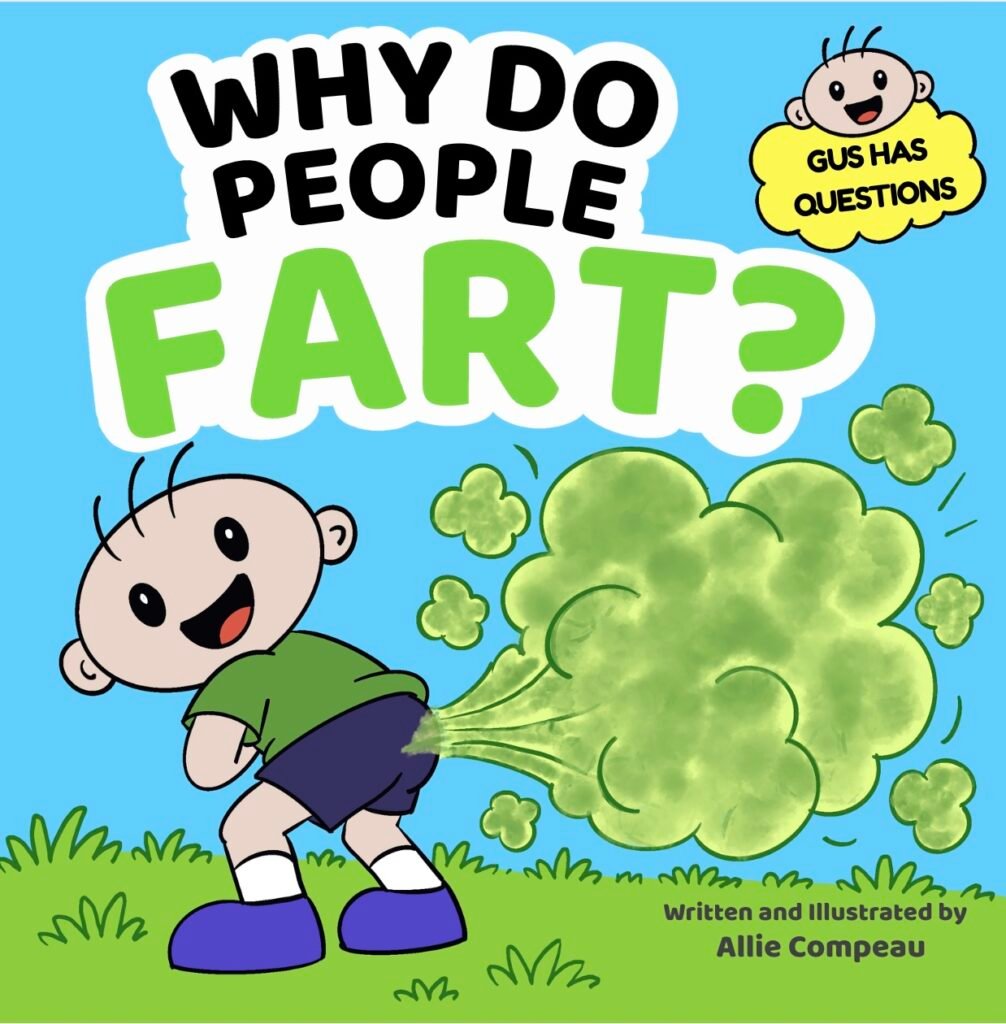
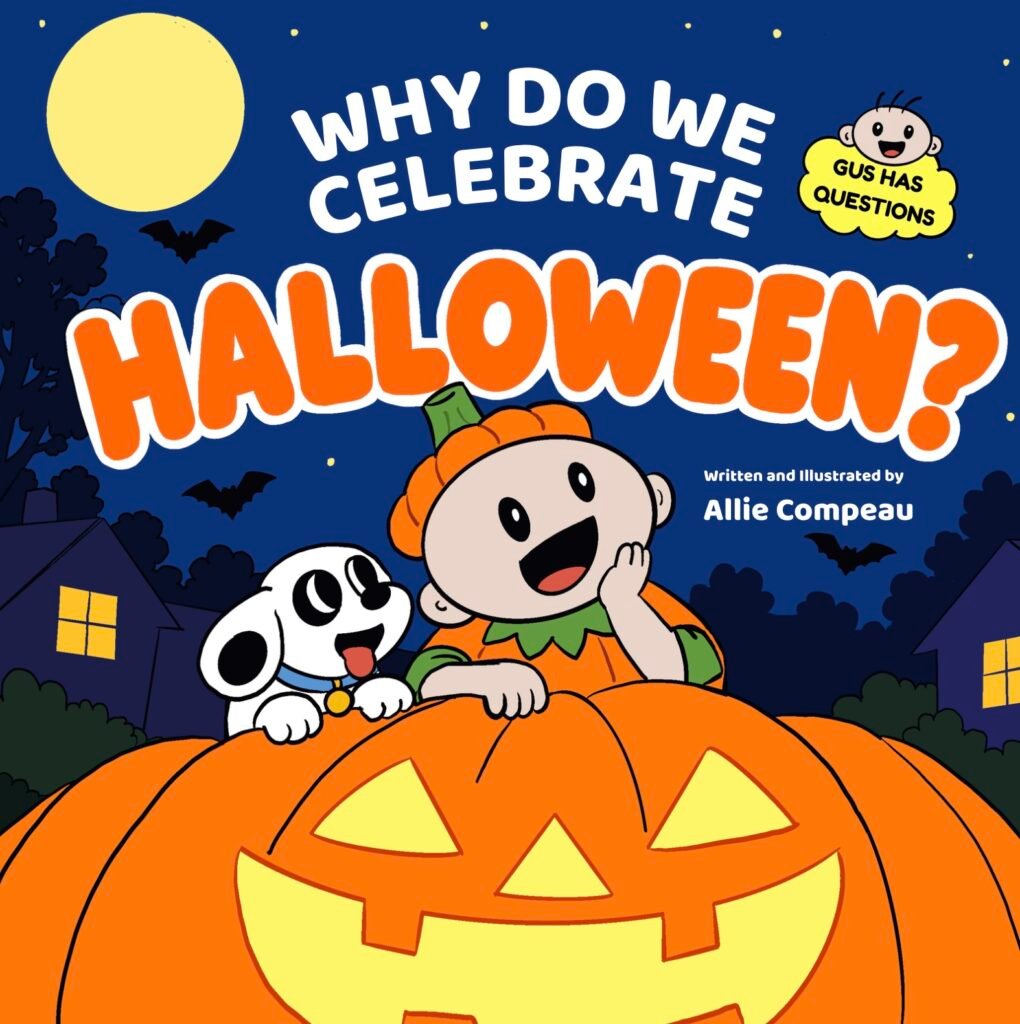
At WhistlePig Publishing, we’re big fans of kids who ask weird questions.
That’s where Gus Has Questions came from.
Gus wonders about the same kinds of things real kids wonder about—and before he discovers the real answer, he has guesses.
Lots of guesses.
Very ridiculous guesses.
So far he’s wondered where pirates poop, why people fart, and why we celebrate Halloween.
And he’s nowhere near finished.
Because there will always be another weird thing to wonder about.
Big Questions. Ridiculous Guesses. Real Answers.