
One of the most common questions new children’s book authors ask is:
How many pages should a children’s picture book be?
The good news is that there isn’t one single correct answer. However, there are industry standards that can help you create a book that feels familiar to readers, parents, teachers, and librarians.
If you’re planning your first picture book, understanding page count can save you a lot of formatting headaches later.
The Traditional Picture Book Standard
Traditionally published children’s picture books are often:
- 24 pages
- 32 pages
- 40 pages
Of these, 32 pages has long been considered the industry standard.
This page count works well because it fits efficiently into printing signatures, which are groups of pages printed together during the manufacturing process.
As a result, many publishers naturally gravitate toward 32-page books.
Can Self-Published Picture Books Be Shorter?
Absolutely.
One advantage of self-publishing through Amazon KDP is flexibility.
Many successful self-published picture books fall into the:
- 24-page range
- 28-page range
- 32-page range
The best page count depends on your story, illustrations, and audience.
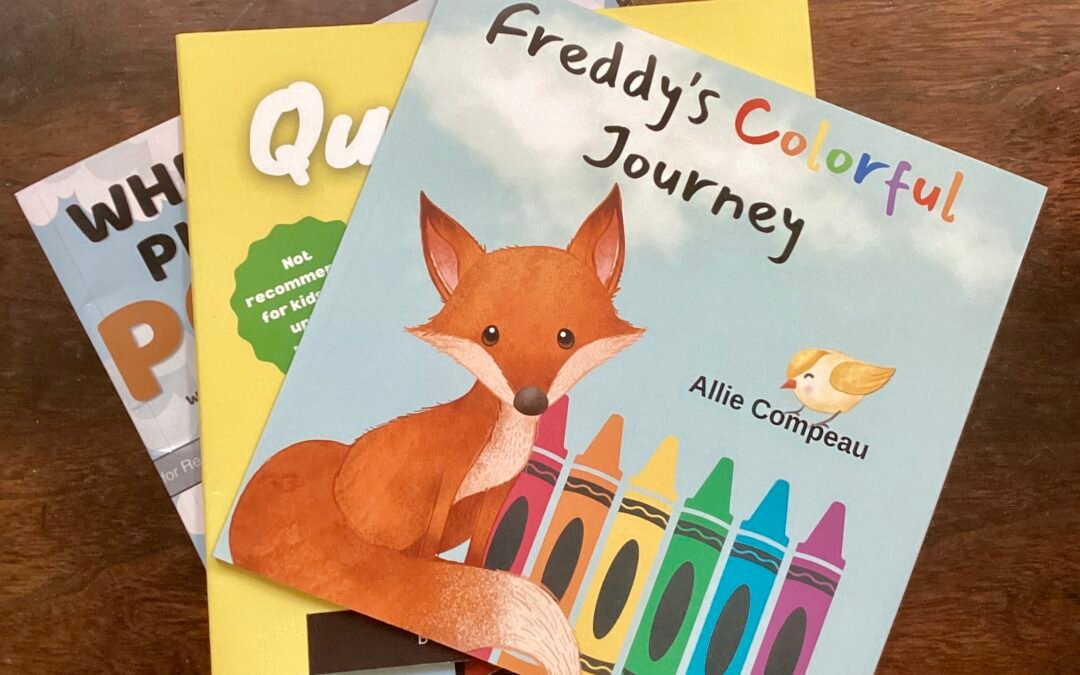
For example, my picture book Where Do Pirates Poop? uses a shorter format that allows the story to move quickly while still providing plenty of visual interest for young readers.
Think in Spreads, Not Pages
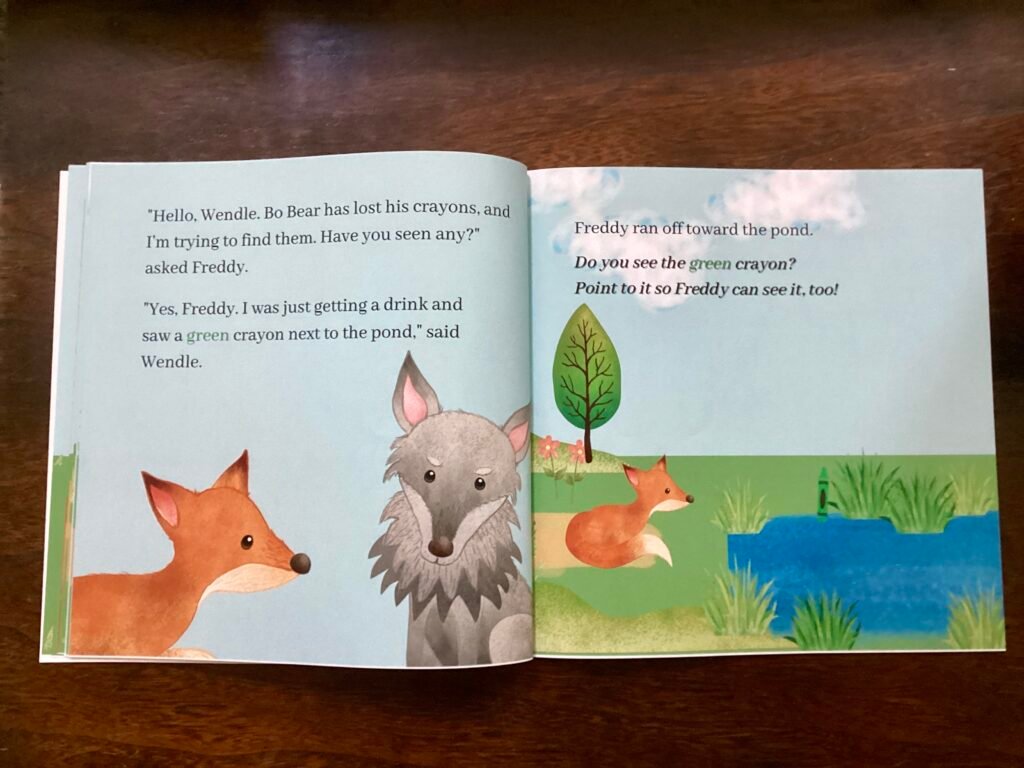
When planning a picture book, it often helps to think in spreads rather than individual pages.
A spread consists of two facing pages when the book is open.
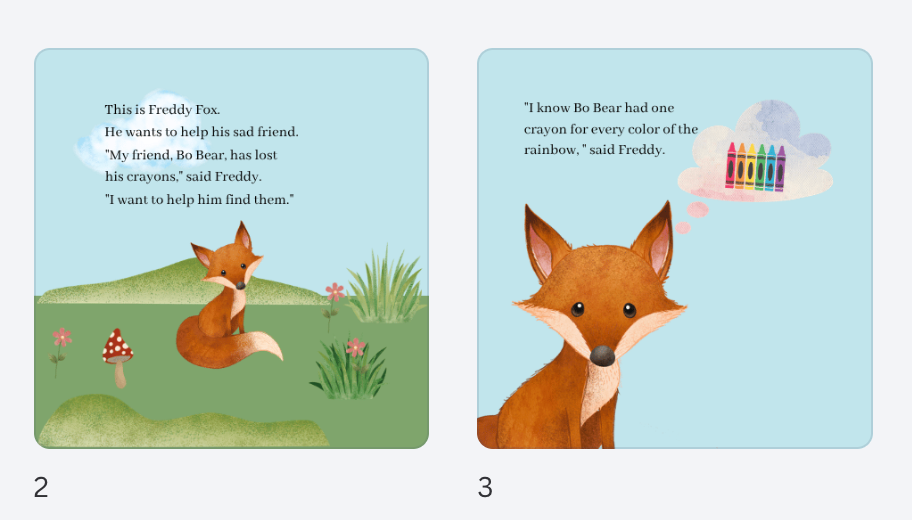
Many picture book authors plan their stories one spread at a time:
- Introduction
- Problem
- Rising action
- Climax
- Resolution
This approach helps maintain a strong visual rhythm throughout the book.
Don’t Add Pages Just to Reach a Number
One mistake I see new authors make is trying to force a story to fit a specific page count.
Instead, focus on telling the story well.
Ask yourself:
- Does every page move the story forward?
- Does every illustration serve a purpose?
- Are there pages that feel repetitive?
Adding filler simply to reach 32 pages rarely improves the reader’s experience.
Consider Your Printing Costs
Page count can affect printing costs.
Generally speaking:
- More pages = higher printing costs
- Fewer pages = lower printing costs
When self-publishing, it’s worth balancing storytelling needs with production costs.
That doesn’t mean choosing the shortest possible book. It simply means being intentional about every page you include.
What Page Count Should You Choose?
For most first-time children’s picture book authors, I recommend:
24 to 32 pages
This range provides enough space for:
- Story development
- Illustrations
- Proper pacing
without becoming unnecessarily expensive to print.
If your story naturally fits within that range, you’re probably on the right track.
Final Thoughts
When deciding how many pages a children’s picture book should be, focus less on hitting an exact number and more on creating a satisfying reading experience.
Most picture books fall between 24 and 32 pages, but the best page count is ultimately the one that allows your story and illustrations to shine.
As you plan your book, remember that pacing, page turns, and illustrations are just as important as the total number of pages.
Related Children’s Book Publishing Resources
If you’re planning to publish your own children’s book, you may also find these guides helpful:
- The Ultimate Guide to Children’s Book Sizes – Learn about common trim sizes and how to choose the right dimensions for your children’s book.
- How to Make and Publish Your Own Children’s Picture Book – A step-by-step look at writing, illustrating, formatting, and publishing a children’s picture book.
- Common Formatting Mistakes in Children’s Books (And How to Avoid Them) – Learn how to avoid common layout, margin, bleed, and formatting problems before publishing.
- How Much Does It Cost to Self-Publish a Children’s Picture Book? – A realistic breakdown of publishing expenses, including ISBNs, proof copies, illustration costs, and Amazon KDP.
Free Children’s Book Formatting Starter Kit
Want help formatting your children’s book for Amazon KDP?
Download my free Children’s Book Formatting Starter Kit by joining the WhistlePig Publishing newsletter.
The kit includes:
- Formatting checklist
- Trim size guidance
- Bleed recommendations
- Practical publishing tips for new authors
Click here to sign up for the Free Kit
About the Author
Karen Wirtz is an independent author, illustrator, and founder of WhistlePig Publishing. Writing under multiple pen names, she has published children’s books, chapter books, journals, coloring books, and fiction through Amazon KDP. Through WhistlePig Publishing, she shares practical lessons learned from writing, illustrating, formatting, and publishing books to help aspiring authors bring their own stories to life.