
Publishing a book is exciting, but before you click the final “Publish” button on Amazon KDP, there’s one step I highly recommend:
Order a proof copy.
A proof copy is a printed version of your book that allows you to inspect everything before your book becomes available for sale. While your book may look perfect on your computer screen, printing can reveal issues that are easy to miss during the design process.
Here’s what to check when your proof arrives.
What Is a KDP Proof Copy?
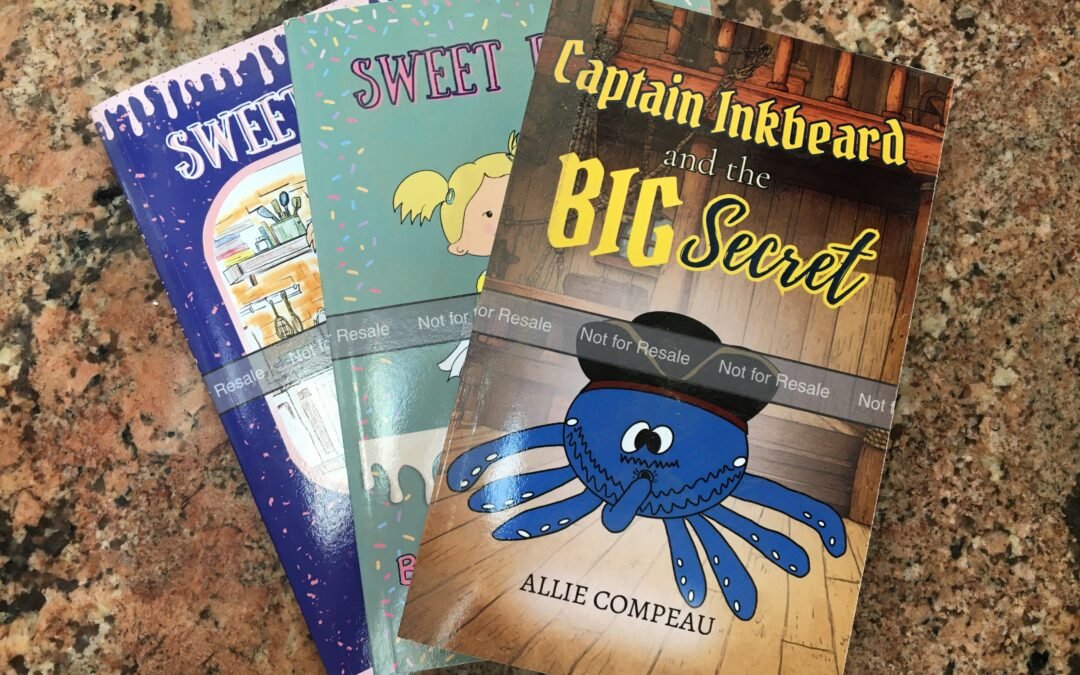
A KDP proof copy is a pre-publication version of your book printed by Amazon. It contains a watermark indicating that it is a proof and cannot be sold.
Unlike an author copy, a proof copy is specifically intended to help you review your book before publication.
For children’s books, picture books, and illustrated books, I consider proof copies essential.
Why You Should Always Order a Proof
I’ve published several books through KDP, and every proof copy has taught me something.
Sometimes text looks different in print than it did on the screen.
Sometimes colors appear darker or lighter than expected.
Sometimes spacing that seemed fine digitally suddenly looks awkward when you’re holding the actual book in your hands.
A proof gives you the opportunity to catch these issues before readers see them.
What to Check When Your Proof Arrives
1. Text Placement
Look carefully at every page.
Is any text too close to the edge?
Does anything disappear into the binding?
Children’s books often have large illustrations and unusual layouts, so it’s easy for text to drift too close to the trim area.
2. Image Quality
Check every illustration.
Do images appear blurry?
Are colors consistent?
Do dark scenes print too dark?
Pictures that look bright on a backlit screen can sometimes appear much darker in print.
3. Margins and Bleed
This is one of the most common issues I see with new authors.
Make sure full-page illustrations extend properly into the bleed area and that important elements aren’t being trimmed.
If you’ve never worked with bleed settings before, it’s worth learning before publishing your first book.
4. Cover Alignment
The front cover, spine, and back cover should all line up correctly.
Pay special attention to text on the spine.
Even small alignment issues can become obvious once the book is physically printed.
5. Typos and Formatting Errors
You’ll be surprised what you notice when reading a printed copy.
Mistakes that escaped notice on a computer screen often jump out immediately in print.
Read every page carefully.
Then have someone else read it too.
Sometimes a Proof Helps You Make Creative Decisions
Most of the time I order a single proof.
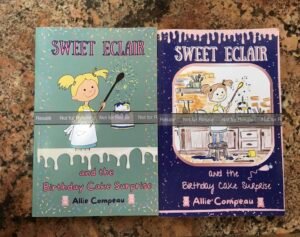
However, when I published Sweet Éclair, I couldn’t decide which cover I preferred.
Instead of guessing, I ordered two different proof copies with different cover designs.
Seeing the books side-by-side in print made the decision much easier.
A cover that looks good digitally doesn’t always look best when printed and held in your hands. If you’re struggling to choose between designs, ordering multiple proofs can save you from second-guessing yourself later.
What If Your Proof Arrives Damaged?
Unfortunately, shipping isn’t always gentle.
I’ve received books with bent corners and damaged covers due to rough handling during delivery.
If your proof arrives damaged, inspect the book carefully before judging the print quality. Damage from shipping doesn’t necessarily mean there’s a problem with the file itself.
When Is It Safe to Publish?
Once you’ve checked:
- Text placement
- Image quality
- Bleed and margins
- Cover alignment
- Spelling and grammar
and everything looks good, you’re ready to publish.
Personally, I also like having a second set of eyes review the book before I hit the final button.
A fresh reader often catches things I’ve overlooked.
Final Thoughts
Ordering a proof copy adds a little time to the publishing process, but it can prevent costly mistakes and give you confidence that your book is ready for readers.
Whether you’re publishing a children’s picture book, chapter book, or illustrated project, a proof copy is one of the best investments you can make before launch.
Happy Publishing!
– Karen
Related Articles
- The Ultimate Guide to Children’s Book Sizes
- Common Formatting Mistakes in Children’s Books (and How to Avoid Them)
- How to Make and Publish Your Own Children’s Picture Book
Featured Children’s Book
If you’d like to see one of my own illustrated children’s books, check out Sweet Éclair on Amazon.
Free Resource
Download The Children’s Book Formatting Starter Kit by joining our newsletter on the homepage.
About the Author
Karen Wirtz is an independent author, illustrator, and founder of WhistlePig Publishing. She has published children’s books, chapter books, journals, and fiction while documenting the realities of self-publishing, formatting, and book design for aspiring authors. Through WhistlePig Publishing, she shares practical resources to help writers bring their own books to life.